Digital Safety for Children in Foster and Kinship Care

Looking for specific assistance with an identity theft issue?
Our colleagues at ITRC – Identity Theft Resource Center – have made available a LIVE CHAT feature on our website! Scroll down, and look for the gold chat icon in the bottom, right of this page to submit a request for individual assistance directly with their team.
Children in foster care often face unique emotional, social, and psychological challenges, making digital online safety particularly critical for their well-being.
As technology becomes an integral part of all facets of a child’s life, including education, communication, and entertainment, it’s essential to ensure that these vulnerable children are protected from the potential dangers that exist online.
Foster youth may be more susceptible to online threats such as cyberbullying, online predators, identity theft, and exposure to harmful or inappropriate content. Many of these children may already have experienced trauma, abuse, or neglect, which can impact their judgment and make them more vulnerable to manipulation or exploitation. The anonymity of the internet can be especially dangerous, offering predators opportunities to exploit a child’s emotional needs or lack of a stable support system.

Moreover, children in foster care often move between homes, which can result in inconsistent supervision and guidance around internet use. Without a reliable adult to set boundaries, teach safe practices, and monitor activity, foster children may be at greater risk online. Foster parents, social workers, and caregivers must be educated on current digital risks and empowered with tools to help monitor and guide online interactions safely.
Teaching children in foster care about online safety is also a key part of promoting digital literacy and self-protection skills. This includes understanding privacy settings, recognizing red flags, and knowing how to report inappropriate behavior. When caregivers create open, supportive environments where kids can discuss their online experiences without fear of punishment, it fosters trust and encourages responsible internet use.
Ensuring digital safety for foster children isn’t just about limiting screen time—it’s about equipping them with the knowledge and support to navigate the digital world confidently and securely. Protecting them online is a vital step toward supporting their overall safety, development, and long-term well-being.

How to Stay Logged In to How Much Time Your Kids are Spending Logged On (11 Minutes)
In this 10 Minute-Rescue, we will be discussing how Social Media and Technology is playing a crucial role during this unprecedented time.
The Impact of Social Media on Children (1 Hour)
An examination of the impact of social media and technology on today’s society, including its influence on youths’ perceptions of reality reveals significant risks for the unaware.
NFPA Training Session: Child Identity Protection
‘Child Identity Protection‘, is the most recent installment of our Coffee with Caregivers series.
It serves as a primer on the key ways parents can safeguard the financial identity of their children. While only a portion of the whole picture of online data security, it’s an incredibly important one, and we are pleased to offer guidelines for this protection.
Course Materials
The following documents are intended to act as a guide for our new course. We recommend printing them, then taking ~30 minutes to complete the highly informative session.
Child Identity Protection Questions and Answers
Child Identity Protection Handbook
An expert discussion on the dangers around identity theft for children in foster care, with some solutions for preventing, recognizing and mitigating theft should it occur.Child Identity Protection (30 Minutes)
Discount Offer for ProtectMyKids.com!
Our NFPA followers can take advantage of a $10 discount on a credit freeze on ProtectMyKids.com!
Use code ‘NFPA’ at checkout to take advantage of this offer.
Be sure to watch the session, ‘Child Identity Theft Prevention’, to learn why this is a critical step in keeping your children safe from credit and identity theft.
[rainmaker_form id=”2623″]
By subscribing to our updates you agree with our Terms and Conditions and Privacy Policy
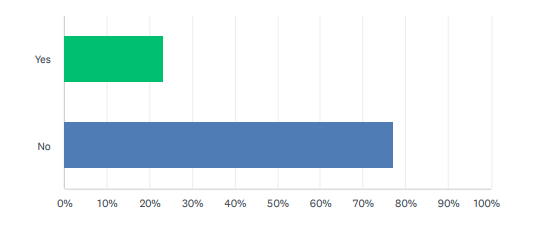
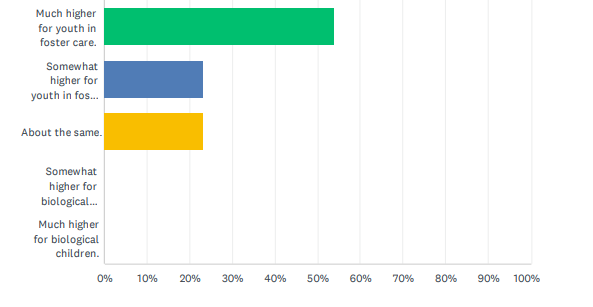
NFPA recently conducted a survey of parents asking about their experience with data security for the children in their care.
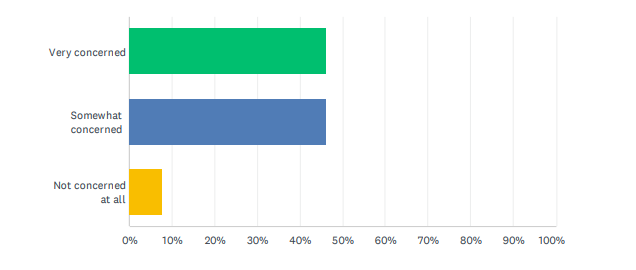
The results show that Foster, Adoptive and Kinship/Fictive Kin parents are very concerned about the online safety of the children in their care, have taken steps to protect their online identify, and might need guidance in managing a data theft event. Highlights of the data are found below.
The July/August, 2025 edition of Fostering Families Today is dedicated to the topic of ‘Ensuring the Digital Wellbeing of Kids in Your Care’. The issue contains guidance, valuable tips and advice for parents looking to increase the safety of their children.
Open the Survey Results
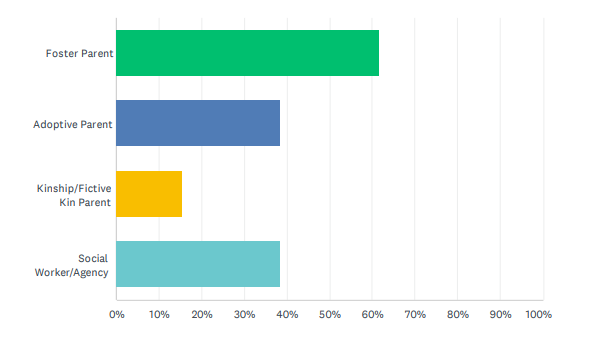
Have you or any of your children (foster or biological) ever been a victim of identity theft?
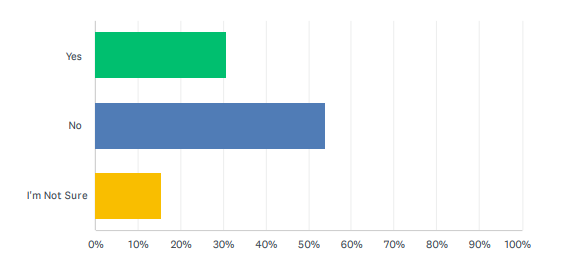
Would you know how to detect if you or one of your children were victims of identity theft?
How significant do you perceive the threat of identity theft to be for foster youth compared to your biological children?
Are you aware that foster children ages 14 and older should receive an annual credit report to detect fraud?
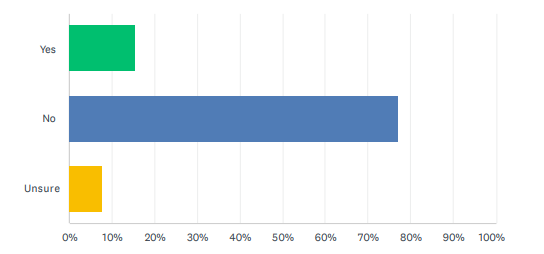
To your knowledge, has your foster child received a credit report in the past year?
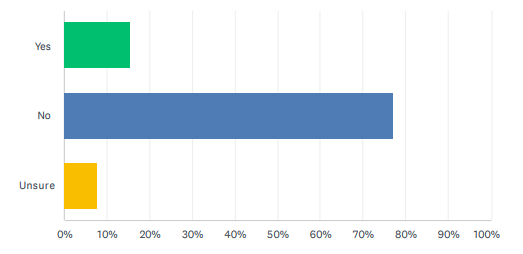
How concerned are you about the possibility of your foster child’s identity being stolen?