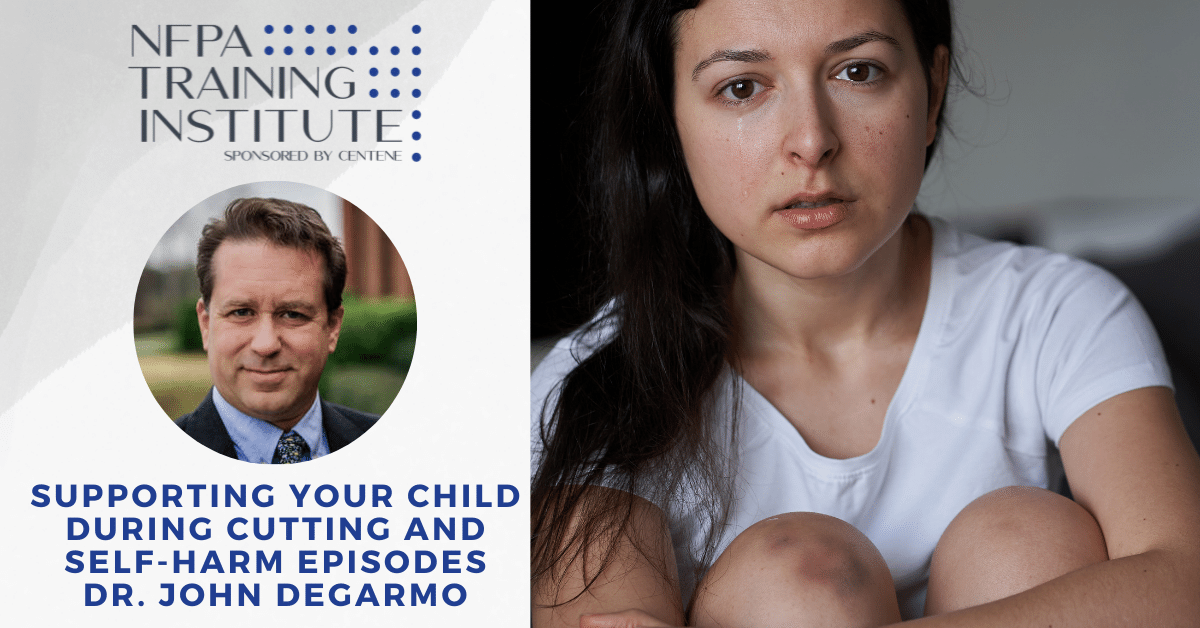
Cutting behavior is not uncommon among teens and pre-teens in general populations and among foster kids, who have suffered trauma of some kind, it may be even more prevalent.
Cutting behavior refers to the act of cutting into the skin, deeply scratching or any self-harm activity done usually on a child’s arms or legs with some kind of sharp implement. It is not an indicator of a suicide attempt, but is an attempt by the child to deal with emotional pain that they cannot express any other way.
Recognized most often in girls, it does happen in children of both sexes. It often starts as a response to a self-esteem issue (body hatred, response to molestation etc) but once it becomes a habit, it is turned to as a release of any kind of stresser. Read More
Check out John at DrJohnDeGarmoFosterCare.com, Facebook, Twitter, and YouTube.
Check out John’s latest book, The Little Book of Foster Care Wisdom.